

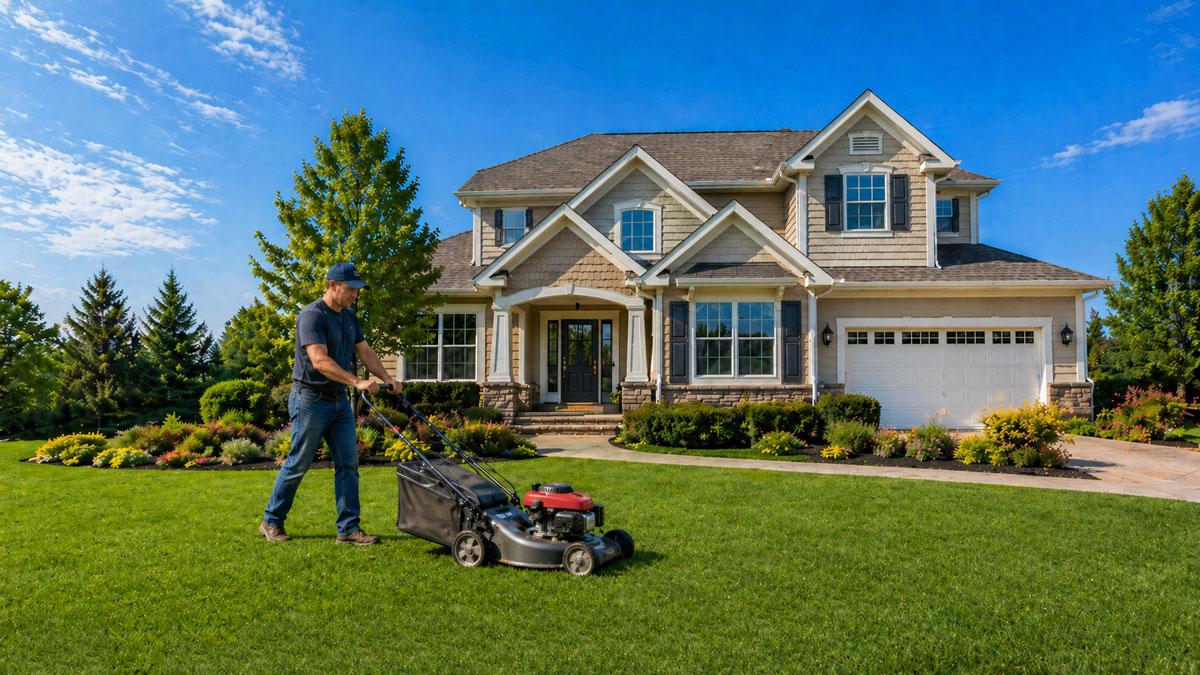
Smart Lawn Mowing Practices for a Healthier Lawn
A healthy lawn isn't just about what you put into it — it's also about how you maintain it between lawn care treatments. At Simply Safer Premium Lawn Care, our organic and organic-based lawn care programs are designed to give your grass everything it needs to thrive, but your mowing habits play a major role in how well your lawn responds. For homeowners in Massachusetts and Rhode Island, learning how to mow your lawn properly helps you get the most out of your lawn care services.
Best Time of Day to Mow Your Lawn
During the cooler months of spring and fall in New England, you have more flexibility to mow whenever it fits your schedule. But in the heat of a Massachusetts or Rhode Island summer, timing matters if you want to reduce stress and keep your lawn healthy. Aim to mow once the morning dew has dried or later in the evening. Midday mowing — especially in hot, dry conditions — can put extra stress on your grass when it's already working hard to conserve moisture. Mowing when it's cooler helps reduce stress and keeps your lawn looking greener and healthier.
Follow the One-Third Rule for Healthier Grass
One of the most important rules in proper lawn mowing is simple: never remove more than one-third of the grass blade at a time. Cutting too much at once can shock the plant, often leading to browning and weakening the grass. This added stress can make your lawn more vulnerable to weeds and disease. It also impacts root development — shorter grass blades often lead to shallower roots, which means your lawn becomes less drought-tolerant and less resilient overall.
To stay within the one-third rule, try not to let the lawn get overly tall between mowings. If you wait too long, you'll have to take off too much in a single cut just to get it back down, which is exactly what causes the shock and stress you want to avoid. Consistent mowing at a reasonable height encourages deeper roots and thicker turf, which supports the results of your fertilization and soil-focused lawn treatments from a professional lawn care company.
Keep Your Mower Blades Sharp
Sharp mower blades make a big difference in the health and appearance of your lawn. Dull blades tear the grass instead of cutting it cleanly, which can leave behind brown, ragged tips and make the lawn look stressed. A good habit is to inspect your mower blade at the beginning or end of the season and have it sharpened when needed. If your lawn looks frayed or browned shortly after mowing, dull blades may be part of the problem.
Adjust Mowing Height by Season
Your mowing approach should change throughout the year to match your lawn's growth patterns and the proper mowing height for cool-season grasses common in Massachusetts and Rhode Island, such as Kentucky bluegrass, perennial ryegrass, and fescue. In spring, grass grows quickly, so regular mowing helps maintain a healthy height without removing too much at once. During summer, growth slows, and it's best to keep your grass slightly taller — generally around 3 to 4 inches — to help shade the soil, retain moisture, and encourage deeper root growth.
As fall approaches, you can gradually lower your mowing height. For most cool-season lawns in this region, the final cut of the season is usually in the 2 to 2.5 inch range, slightly shorter than your normal summer height. This helps prevent the grass from matting down under snow or heavy moisture, which can restrict airflow and create ideal conditions for disease like snow mold. At the same time, avoid cutting too short, as the lawn still needs enough blade length to store energy for winter survival and strong spring green-up.
By pairing smart mowing habits with lawn care treatments from Simply Safer Premium Lawn Care, you give your lawn the best chance to grow thicker, greener, and more resilient all season long. If you're not yet a customer, we'd love to help. Contact us for a free quote!


Michael Ferrigno
1 week agoNew customer, had an issue, I called the office, the woman on the phone said she would look into it, called me back in 10 min, said she would contact the service manager, who called me, came out the same day, and followed up with a visit the next week as he said he would. Fantastic customer service experience, highly recommend them.
 View on Google

Darryl Panzer
1 month agoI've been using Simply Safer Lawn Care for a few years now. They do a great job. Aiden's attention to detail doesn't go unnoticed. It's refreshing to have a company that doesn't cut corners and actually cares about your lawn.
View on Google