

Lawn Care Tips to Improve the Health and Look of your Lawn
Best Watering Practices
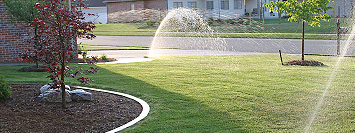
Keeping your yard healthy doesn't have to be time consuming and can even be relaxing. Wise water use is one sign of a good gardener. Follow these tips to keep your lawn and garden adequately watered:
- During hot periods of the growing season, watch for signs of plant stress and in need of water. Newly-planted shrubs, trees and lawns require extra attention. Rain gauges let you know when you need additional water.
- Use mulch to retain soil moisture in your planting beds. Keep weeds out of the lawn and from planting beds. Weeds compete for both water and nutrients.
- Water early in the morning to minimize evaporation and fungal diseases. If the lawn or garden is becoming stressed or endangered from lack of water, go ahead and water without delay. Avoid using sprinklers on windy days.
- Water trees and large shrubs at their drip lines (this is under the outer edge of the limbs).
- Use soaker hoses and drip irrigation to deliver water directly to the base of the plant where it's needed.
- Water deeply to promote root growth. Allow soil to dry slightly between waterings. Strong root systems create hardier turfgrass. Shallow waterings evaporate before water is able to saturate into the soil where it's needed most.
- Mow your lawn at the recommended height for your type of turfgrass. Mowing grass too close causes stress and invites disease. Letting grass grow too tall also increases the chance of disease.
- Have your lawn aerated as needed to increase the soil's water absorption. Normal aeration is about every 2 years unless you have excessive thatch buildup or extreme soil compaction.
- If you have an underground sprinkler system, keep it adjusted and well-maintained.
- Don't forget end-of-the-year maintenance to protect your hoses and watering system from winter freeze damage. Water expands as it freezes. At the end of the season drain hoses, water timers and sprinklers before the first frost. Store them where they won't freeze.
Mowing Tips
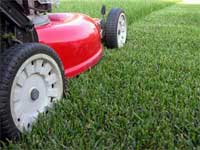
- Don't cut your grass too short...
- Don't remove any more than 1/3...
- Avoid mowing when the grass is wet.
- Mow your lawn in a different direction...
- Keep your mower's blade sharp...
- Don't forget to change your mower's oil...
- If you didn't drain your gas tank...
Spring Clean Up Tips
- Make sure to remove all branches, leaves, and acorns.
- If the lawn needs to be thatched it should be done now. This is the best time to do it. If you would like us to do it please give us a call.
Summer Tips
- Mow the lawn at 3.5 inches to 4 inches during the late spring and summer months.
- It is also recommended to cut the lawn in morning or late evening - not during the heat of the day. This will cause the lawn to dry out and become stressed.
- Mow your lawn at the recommended height for your type of turfgrass. Mowing grass too close causes stress and invites disease. Letting grass grow too tall also increases the chance of disease.
Fall / Winter Tips
This is a time when the lawn will recover from any summer stress or damage that it has sustained.
- The last mowing of the year should be cut 2 inches. The longer the grass is left the better the chance of diseases in the spring.
- Also remove all leaves, clippings and acorns the best you can before the snow falls and the ground freezes.
- Have your lawn aerated as needed to increase the soil's water absorption. Normal aeration is about every 2 years unless you have excessive thatch buildup or extreme soil compaction
A Free Quote


Rita Bartum
6 months agoJoe is very knowledgeable, and friendly. We always receive a phone call in advance, as well as an email, and a note on our front door. Other companies have missed areas of the lawn but Simply Safer is always helpful, and consistent. Very happy with our services this year
 View on Google

Rajalakshmi Ganesan
5 months agoOur lawn has less weeds and looks better. Thank you!
View on Google

Sandy Montgomery
7 months agoFirst season using simply safer and it’s amazing. No pesky mosquitos or ticks to be found. It’s organic and completely safe. The technicians are respectful...
View on Google