

Organic Lawn Care in Warwick, Rhode Island
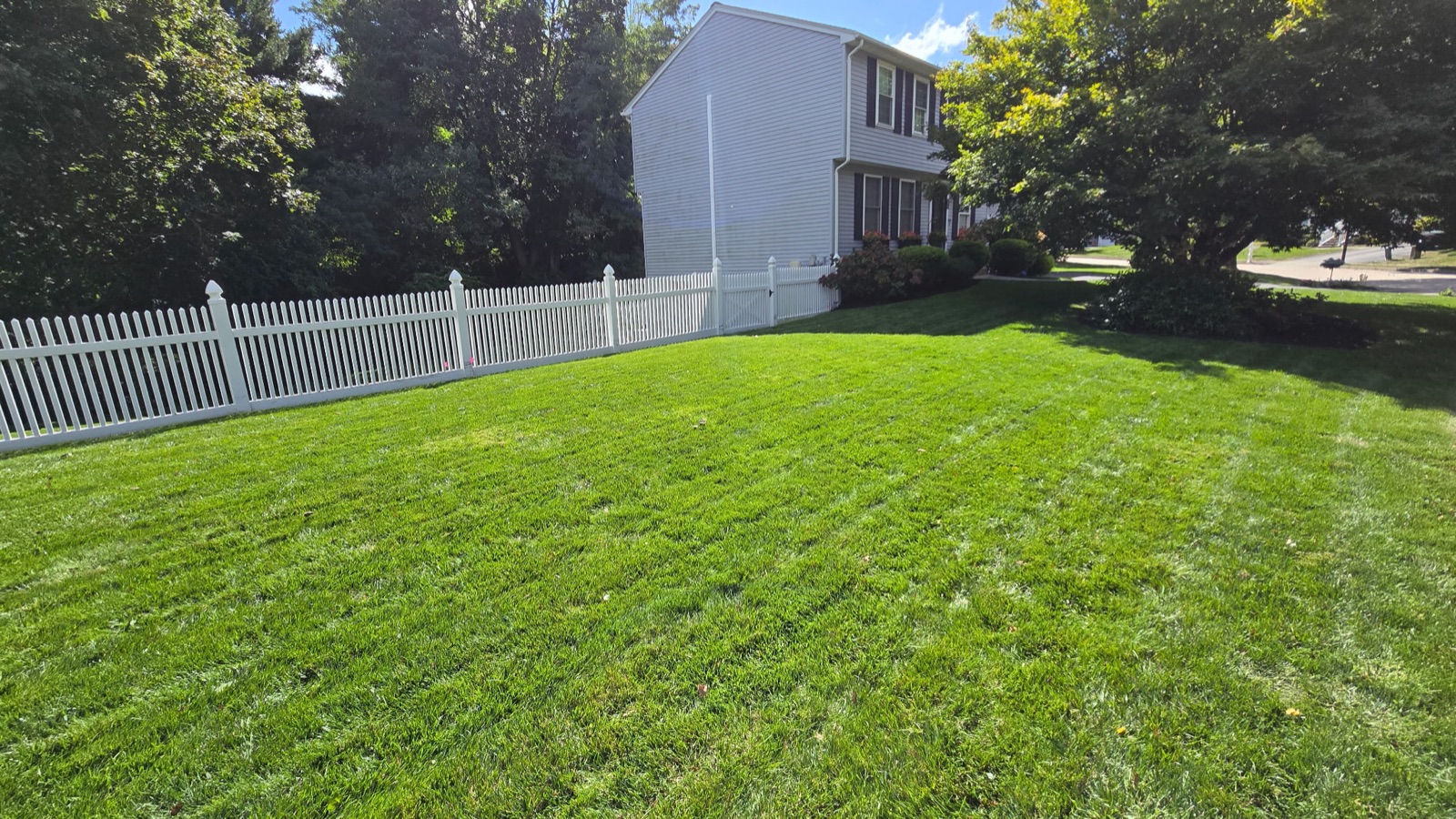
Warwick is where most visitors first set foot in Rhode Island, because Rhode Island T.F. Green International Airport sits right here. For people who grew up in the state, though, Warwick means Rocky Point. The shore amusement park ran for more than a century before it closed, and the grounds are a state park on the bay now.
Between the airport and the shoreline, Warwick is a city of neighborhoods, and the lawns here deal with something the inland towns never have to think about.
Our Lawn Care Programs in Warwick
Most Warwick customers start with one of our two fertilization programs. The Organic-Based Program is the one we recommend for most lawns, because it reduces pesticide use by 90% while still producing the kind of lawn people want to look at. For homeowners who want to go all the way, we also offer a fully Organic Program.
Organic Weed Control handles broadleaf weeds like clover, dandelions and plantain. We use Fiesta, an iron-based product that kills the weeds without harming your grass.
Our Organic Mosquito & Tick Control Program covers the season in eight visits from spring through fall, using cedar oil and a blend of organic botanical oils instead of conventional pesticides. The spray kills the mosquitoes and ticks it lands on, it keeps biting insects off the treated area for up to four weeks, and nobody has to stay off the lawn afterward, so the kids and the dog can go straight back out.
Coastal Lawns Have Their Own Set of Problems
Warwick sits on Narragansett Bay, and the properties closest to the water deal with conditions that an inland lawn never sees. Salt carries in on the wind off the water, and the soil near the shore tends to run sandy, which means it drains quickly and holds onto fewer nutrients. Both of those work against thick, green turf.
There is no trick to it. A coastal lawn needs what every struggling lawn needs, done consistently. That means soil that can actually hold water and nutrients, and enough grass plants to crowd out everything else.
Aeration and overseeding is where that starts. Core aeration relieves the compaction and creates the openings new seed needs, and the overseeding follows immediately so the seed lands down in those openings rather than sitting on top. In New England the window for aeration and overseeding runs from August through mid-October.
Topdressing with organic compost is the other half, and it matters more on sandy ground than almost anywhere else. A thin, even layer restores organic matter to the soil and improves how well it holds moisture, which is exactly what fast-draining coastal soil is short of.
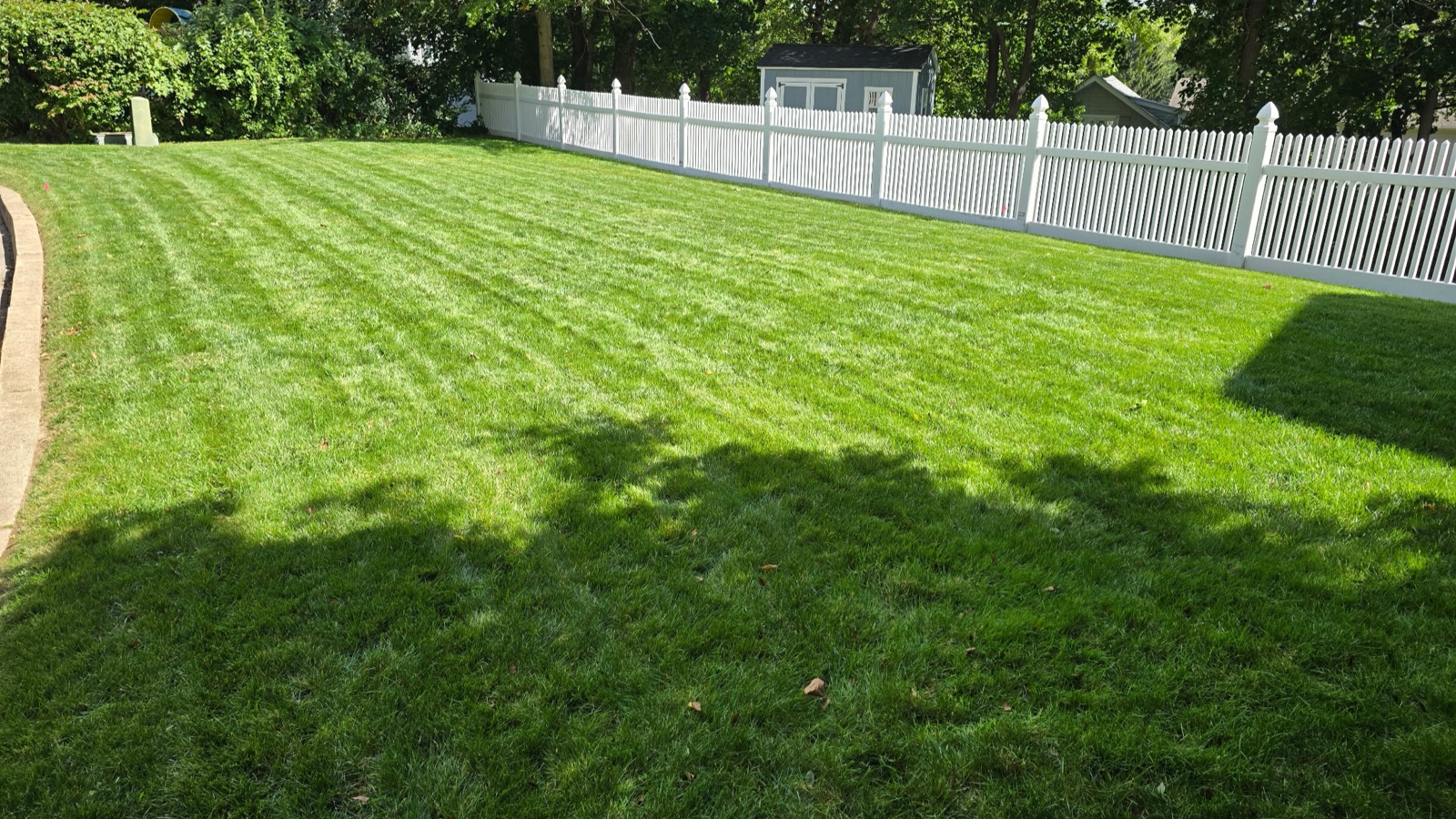
Serving Warwick and Rhode Island
We are proud to help homeowners across much of Massachusetts and all of Rhode Island enjoy healthier lawns and more comfortable outdoor spaces.
We are veteran owned and operated, and we have been doing this for over 25 years. Our treatments are kid and pet safe, and safe for families, pets, bees, birds and fish.
Common Questions from Warwick Homeowners
How do I know if my lawn in Warwick, RI needs aeration & overseeding?
Look at the ground rather than the grass. If the soil has packed down hard enough that water runs off instead of soaking in, the lawn is compacted and aeration is the fix. Thin patches and bare spots that keep coming back in the same places are the other sign, because grass cannot fill those in on its own once the soil underneath has tightened up.
Thatch is worth checking at the same time. That is the layer of dead stems, old clippings and cuttings that collects at the base of the lawn, between the green growth on top and the soil underneath. Once it gets thicker than about an inch it starts keeping water and air from reaching the roots, and that is when dethatching belongs in the plan alongside the aeration.
The window for aeration and overseeding in New England runs from August through mid-October. The two go together because the seed needs the openings that aeration creates.
Does salt air from the bay affect my lawn in Warwick?
Close to the water it can. Salt carried in on the wind is hard on turf, and the sandy soil common near the shore drains fast and holds fewer nutrients than the soil a few miles inland. A lawn that thins out every year in the same spots near the water is usually fighting the soil rather than anything you did wrong.
The answer is to build the soil back up. Topdressing with organic compost improves what the ground can hold, and aeration and overseeding keeps enough grass in place to hold the ground together. Both are worth doing on a regular schedule rather than once.
Why are mosquitoes worse near the water in Warwick?
Standing water is where mosquitoes breed, and a property near the bay tends to have more of it, whether that is low ground that stays wet or marshy edges nearby.
Our Organic Mosquito & Tick Control Program covers the season in eight visits from spring through fall, using cedar oil and a blend of organic botanical oils instead of conventional pesticides. The spray kills the mosquitoes and ticks it lands on, it keeps biting insects off the treated area for up to four weeks, and nobody has to stay off the lawn afterward, so the kids and the dog can go straight back out. Between visits it helps to empty anything on the property that holds water for more than a few days.
Get a Free Quote for Your Warwick Lawn
Tell us about your lawn and we will put a quote together at no cost. You can also reach us at 1-866-GO-SAFER (467-2337).
Click Here ForA Free Quote
See our full service area


Michael Ferrigno
3 weeks agoNew customer, had an issue, I called the office, the woman on the phone said she would look into it, called me back in 10 min, said she would contact the service manager, who called me, came out the same day, and followed up with a visit the next week as he said he would. Fantastic customer service experience, highly recommend them.
 View on Google


silvestre faria
2 months agoVery happy with my experience with Simply Safer Lawn Care
View on Google