

Frequently Asked Questions About Poison Ivy
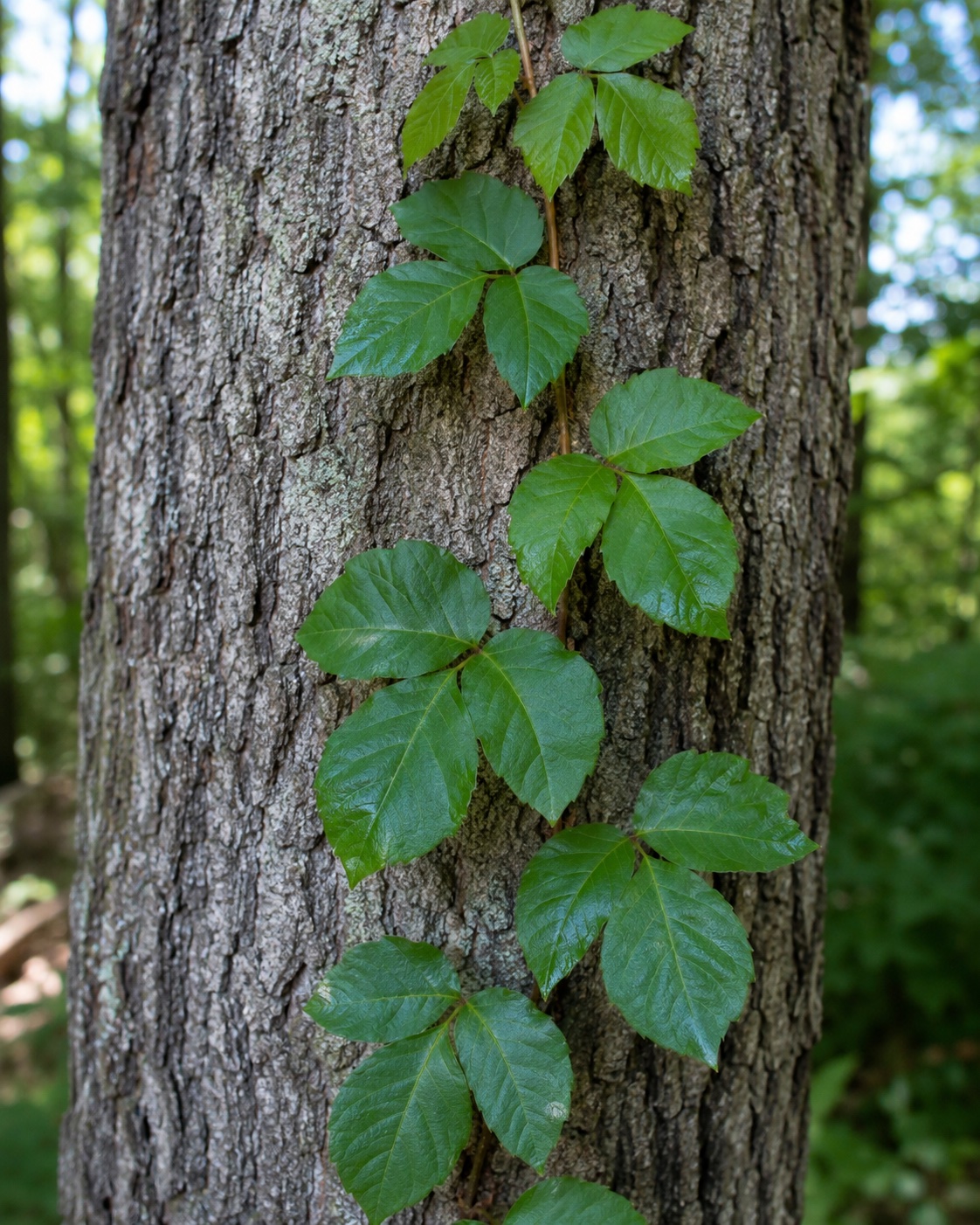
We provide Poison Ivy Control for customers throughout Massachusetts and Rhode Island. Poison ivy is often found along the edges of a property, including fence lines, wooded areas, stone walls, and around the base of trees. Because our regular lawn applications are focused on the turf itself, poison ivy is most often identified by the homeowner, though our technicians will make note of it if they see it during a visit. Once reported, we can treat the affected areas with a targeted weed control product. Poison ivy is persistent, so control typically requires two applications, usually one in mid-summer and another in late summer. Even after successful treatment, it may return the following season, but it is generally brought under control after a couple of seasons.
Below are answers to the questions we hear most often.
How do I know if I have poison ivy in my yard?
Look for clusters of three leaflets, reddish stems, and a growth pattern that can be either a low shrub or a climbing vine. On most properties in Massachusetts and Rhode Island it is found along a wood line, fence line, or stone wall, or running up the trunk of a tree. If you are not sure what you are looking at, we are happy to take a look.
Why is poison ivy a problem?
Poison ivy causes an itchy rash when skin comes into contact with the plant's oil, called urushiol. That oil can transfer to skin, clothing, garden tools, and pets, which means you can end up with a rash without ever touching the plant directly.
Will one season of treatment get rid of it?
Poison ivy is very persistent. Even with successful treatments it may come back the following season. Generally, after a couple of seasons of treatment, it is under control.
Are poison ivy control products safe for families and pets?
When applied correctly by trained professionals and according to label directions, modern poison ivy control products are designed to be effective while minimizing risk to people and pets. Technicians may recommend keeping children and pets away from treated areas until products have dried and will provide guidance on any additional safety steps.
How do I get rid of the dead plants?
Treated, dead poison ivy can be removed by hand, but the oil is still present even after the plant has died. Wear gloves and long sleeves, and discard the plants in a heavy duty trash bag. Wash your skin, clothing, and any tools right afterward.
Can I burn poison ivy or put it in a fire pit?
No. Never burn poison ivy. Burning it releases the oil into the smoke, and breathing that in can cause a serious reaction in your lungs and airways. Always bag it and throw it away instead.
What should I do if I have been exposed?
Wash your skin, clothing, and tools as soon as you can after possible exposure. Most poison ivy rashes clear up within one to three weeks. If you develop a severe rash, swelling, or any trouble breathing, seek medical care right away.
Book Your Poison Ivy Treatment
If you have found poison ivy on your property, contact us and we can help. Simply Safer Premium Lawn Care provides targeted poison ivy treatments designed to bring this persistent weed under control while keeping the health and safety of your family, pets, and property in mind.
Click Here ForA Free Quote


Paul Vitelli
2 weeks agoJason is excellent, he takes pride in his work and treats my property like it's his!!
 View on Google

John Ryan
2 weeks agoAustin is a great guy always happy and pleasant I'm lucky he is serving our lawn.
View on Google

Elizabeth Winters
1 month agoI have been using Simply Safer Premium Lawn Care since 2006 (two different properties). I get organic mosquito and tick control, fungus treatment, lime and fertilization (spring, summer and fall). I have grandchildren and pets so it is important to me to have safe products. Their products are also very effective! I would highly recommend this company.
View on Google

John J. O'Brien
2 months agoNew customer with very short advanced notification for Hydroseed. Simplify Safe came through with short lead time delivery, knowledgable staff and performance.
View on Google